How to Wash and Care for Your Hijabs

A hijab that loses its softness, shape, or color after a few washes usually comes down to poor care habits, not low quality. Fabric matters, water temperature matters, and even the way you dry your hijabs changes how long they last.
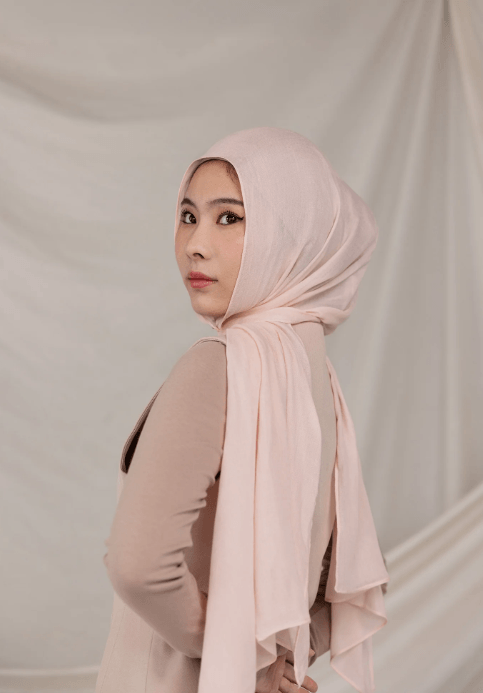
Solid modal hijabs need a different care routine than heavier fabrics. They are breathable, lightweight, and soft against the skin, but they also require gentle handling if you want to keep that smooth drape intact.
Why Solid Modal Hijabs Need Special Care
Modal fabric absorbs water quickly and dries faster than many traditional hijab materials. That makes it practical for everyday wear, especially in warm weather. At the same time, constant friction, harsh detergents, and high heat can weaken the fibers over time.
A solid modal hijab keeps its clean shape best when you wash it with lightweight fabrics only. Mixing it with denim, towels, or structured garments causes unnecessary pulling during the wash cycle. That rough movement leads to pilling around the edges and fading across fold lines.
You should also avoid overwashing. Unless your hijab has makeup stains, sweat buildup, or product residue, one wear does not always require a full wash.
The Best Way to Hand-Wash Hijabs
Hand washing protects the texture and finish of soft fabrics better than machine washing. It takes a few extra minutes, but it extends the life of your hijabs significantly.
Use Cold Water and Mild Detergent
Hot water weakens delicate fibers and causes colors to fade faster. Cold or slightly cool water keeps the fabric stable and prevents shrinking.
Choose a mild detergent without bleach or strong fragrance additives. Heavy cleaning agents strip softness from modal fabric and leave the hijab feeling rough after drying.
Fill a clean basin with water, add a small amount of detergent, then gently move the hijab through the water for a minute or two. Do not scrub or twist the fabric aggressively.
Remove Stains Without Damaging Fabric
Foundation stains and lipstick marks should be treated before washing the entire hijab. Dab the stained area with diluted detergent using your fingers or a soft cloth.
Do not use stiff brushes. Rubbing too hard creates fuzzy patches that become noticeable once the fabric dries.
After spot cleaning, rinse thoroughly until the water runs clear. Leftover soap residue makes a modal hijab feel stiff and attracts more dirt during wear.
Can You Machine Wash Modal Hijabs?
Yes, but only if you do it correctly. Machine washing saves time, although careless settings shorten the lifespan of lightweight hijabs quickly.
Use a Mesh Laundry Bag
A mesh bag prevents snagging and reduces friction during spinning. This is especially important for thin fabrics that fold and twist easily in the machine.
Wash similar colors together. Dark shades should stay separate from lighter tones to prevent color transfer.
Choose a Gentle Cycle
A delicate wash cycle with cold water works best for modal hijabs. Avoid heavy spin settings because they stretch the fabric and crease the edges unevenly.
Fabric softener is unnecessary for most modal materials. The fabric already has a naturally soft texture, and excess product buildup can leave an oily finish over time.
How to Dry Hijabs Without Ruining the Shape
Drying methods matter just as much as washing. Many hijabs lose their smooth drape because they were dried incorrectly.
Air Drying Keeps the Fabric Smooth
Lay your hijab flat on a clean towel or hang it in a shaded area with good airflow. Direct sunlight fades color faster, especially with darker shades.
Do not wring out excess water. Instead, press the hijab gently between two towels to absorb moisture before drying.
A solid modal hijab dries relatively fast, so there is no need for high heat drying methods.
Avoid the Dryer Completely
Heat breaks down lightweight fibers over time. Even low dryer settings create unnecessary stress on soft hijab fabrics.
Repeated tumble drying also causes shrinkage around the edges, which changes the way the hijab frames your face during styling.
If you want your hijabs to maintain their original flow and length, air drying is the safer option every time.
How to Store Hijabs Properly
Poor storage creates wrinkles, stretched corners, and fabric creases that become difficult to remove later.
Fold Lightweight Hijabs Neatly
Stacking hijabs carelessly in crowded drawers creates pressure lines across the fabric. Fold them evenly and avoid stuffing too many into one space.
You can also roll modal hijabs loosely to reduce visible creasing. This method works well if you organize your collection by color or daily use.
Keep Pins Away From Fabric
Leaving straight pins attached to your hijabs between wears weakens the fabric around small puncture points. Over time, those holes become more noticeable.
Store magnets, undercaps, and pins separately instead of attaching them directly to the hijab after use.
How Often Should You Wash Your Hijabs?
Daily wear, weather, and makeup products all affect how frequently your hijabs need cleaning.
If you wear a hijab for several hours outdoors during hot weather, wash it after use. Sweat and oil buildup settle into the fabric quickly. On the other hand, a lightly worn hijab used indoors for a short period may not need immediate washing.
Rotating between multiple solid modal hijabs during the week also helps reduce wear. Constant washing of the same few pieces causes faster fading and weakens the fabric structure sooner.
Common Mistakes That Damage Hijabs
Many people shorten the lifespan of their hijabs without realizing it. A few small adjustments make a noticeable difference.
Washing With Heavy Clothes
Jeans, hoodies, and towels create too much friction during washing. Lightweight hijabs should always be cleaned separately or with similar fabrics.
Using Too Much Detergent
Excess detergent does not clean better. It leaves residue trapped in the fibers and changes the feel of the fabric after drying.
Hanging Wet Hijabs Incorrectly
Thin fabrics stretch when soaked with water. Hanging them unevenly from one corner pulls the shape out of balance.
Ignoring Care Labels
Different fabrics require different care routines. Even within the same collection, washing instructions may vary slightly depending on texture and weave.
See also: Effective Stress Treatment Strategies
Frequently Asked Questions
How do you keep a modal hijab soft after washing?
Use cold water, mild detergent, and avoid high heat. Air drying helps preserve the softness better than machine drying. Washing with lightweight fabrics also prevents rough texture caused by friction.
Can I iron a solid modal hijab?
Yes, but use low heat only. Place a thin cloth between the iron and the hijab if the fabric feels especially delicate. Steam works well for removing light wrinkles without flattening the natural drape.
How often should I wash my hijabs?
Wash them based on wear time and exposure to sweat, makeup, or outdoor conditions. Frequent use during hot weather requires more regular cleaning. Light indoor wear may only need washing after multiple uses.
What causes hijabs to pill?
Pilling usually comes from friction during washing or drying. Mixing hijabs with rough clothing, overloading the washing machine, or scrubbing stains aggressively all contribute to fabric fuzziness.
Is hand washing better than machine washing?
Hand washing is gentler and helps lightweight fabrics last longer. Machine washing is still safe if you use a mesh laundry bag, cold water, and a delicate cycle.
Keep your everyday collection looking clean and smooth with VELA’s modal styles, designed for lightweight comfort and easy wear: VELA Modal Collection