How to Prevent Skin Irritation When Using Continence Products

You can prevent skin irritation from incontinence products by keeping skin clean, using barrier creams, and choosing breathable products that suit your needs. These simple steps help you reduce redness, soreness, and discomfort over time.
Skin irritation is something many Australians deal with daily, and we know how frustrating it feels when your skin reacts badly. That’s why at www.ontexhealthcare.com.au, we focus on creating gentle options designed with your comfort in mind.
In this guide, you’ll learn what causes incontinence-associated dermatitis, why certain products may irritate your skin, and practical skin care tips worth discussing with your healthcare professional.
So, let’s dig in.
What Is Incontinence Associated Dermatitis?
According to the 2023 review in Current Dermatology Reports, incontinence-associated dermatitis (IAD) is skin damage caused by prolonged contact with urine or faeces.

When moisture sits against your skin for too long, it starts to break down the skin’s surface and weaken its natural defences. This can lead to redness, inflammation, and painful, raw patches in areas covered by continence pads.
You might be asking why this happens in the first place. Well, it’s your urine that changes your skin pH over time, which makes it more vulnerable to irritation and rashes. And people with perineal skin are especially at risk because it stays in contact with moisture longer than other areas.
So, if you ever notice burning sensations, itchiness, or skin damage around these areas, you should consult with your GP or continence nurse advisor. It’s because early conversations can help you find the right skin care approach before things get worse.
Reasons Why Incontinence Products Can Cause Skin Problems
Incontinence products can cause skin problems due to excess moisture, friction, and reactions to certain materials or chemicals. It can feel confusing at first, but daily incontinence care with absorbent pads can still irritate your skin for a few different reasons.
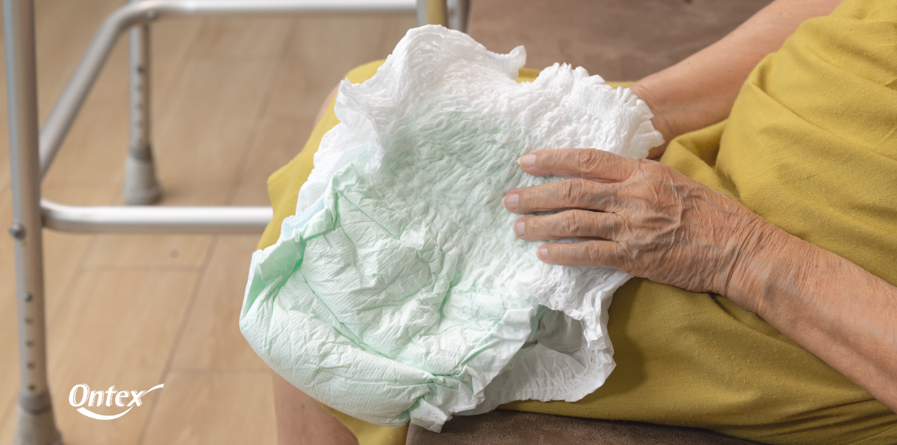
Understanding these causes may help you have more informed chats with your healthcare professional about what’s happening with your skin. So, let’s check out those reasons for your severe skin irritation:
Moisture and Prolonged Skin Contact
Let’s be honest here, wet skin becomes fragile quickly. And when urine sits against your skin for extended periods, it changes the skin’s pH and breaks down your natural protective barrier. This prolonged exposure increases the risk of skin breakdown, especially when excess moisture gets trapped.
Instead, dry skin is actually your best friend for avoiding irritation. To help with this, healthcare professionals often suggest changing continence pads regularly so moisture doesn’t stay against your skin for too long.
Friction From Products That Don’t Fit Right
Sometimes, ill-fitting incontinence aids can rub against your skin and create painful chafing. For example, products that fit too tightly can stop air from reaching your skin, while loose ones shift around and cause further irritation in sensitive skin folds. And we’ve heard this one more times than we can count.
That’s why we recommend products like adjustable tabs that let you customise the fit around your waist and legs. This flexibility can help you find that sweet spot between secure and comfortable.
Sensitive Skin and Chemical Reactions
Remember, fragranced products don’t work well for everyone, especially if you’ve got sensitive skin. This is because many people react to dyes, perfumes, or other irritants found in some continence pads. These reactions may show up later as redness, rashes, or small bumps where the product touches your skin.
Wondering what actually helps? Hypoallergenic continence pads made without fragrances or dyes tend to be kinder to reactive skin. Besides, products with dermatologically tested materials and breathable backings may also reduce the chance of flare-ups.
Quick tip: If you’re not sure what’s causing the reaction, switching to a simpler product for a few weeks can sometimes help you figure it out.
See also: Smart Health Monitoring Devices: Revolutionizing Personal Healthcare
How to Keep Skin Clean and Protected During Incontinence Management
As we’ve already mentioned, you can keep your skin clean and protected by using gentle cleansers, applying barrier creams, and choosing breathable products. These simple daily skin care habits can make a noticeable difference when you’re managing incontinence every day.
Here’s a closer look at each skin care habit:
Gentle Skin Care Products for Daily Cleansing
Harsh soaps can strip away the natural oils that keep your skin healthy and resilient. In this case, pH-balanced cleansers work much better for your sensitive skin than regular soap and water.
After cleansing, pat your skin dry gently instead of rubbing. This technique is often recommended to avoid further irritation.
If direct cleaning feels like a burden, you can use no-rinse cleansing wipes designed for incontinence care, which can make cleaning quicker and less likely to irritate your skin. (Good skin care doesn’t need to be complicated, just be consistent.)
Barrier Creams and Building a Protective Layer
Barrier creams create a protective barrier between your skin and moisture from incontinence. Interestingly, these products work by repelling liquid, so they don’t sit directly against your skin’s surface.
But a good barrier cream can be worth a lot for daily comfort. That’s why products containing zinc oxide or dimethicone are commonly recommended for building that protective layer. So, if you’re unsure which one to choose, your pharmacist or continence nurse advisor can help you pick the best option.
Choosing the Right Product to Keep Skin Dry
Good incontinence aids pull moisture away from your skin and into the absorbent core. They also use breathable backing materials that let air move through, which helps keep your skin drier between changes.
From our practical experience, it also helps to pay attention to the features built into your chosen products. For instance, wetness indicators are one of the most useful features because they show you when it’s time for a change, so you’re not just guessing.
If you’re exploring different options, here’s a quick look at product types that may help keep your skin dry:
| Product Type | Best For | Skin-Friendly Features |
| Pull-up pants | Active people who need a secure fit | Breathable fabric, stays in place |
| All-in-one slips | Heavy incontinence or overnight use | High absorbency, full coverage |
| Shaped pads | Light to moderate leakage | Contoured fit, quick-dry core |
| Rectangular inserts | Boosting absorbency with other products | Thin, breathable, easy to layer |
Bottom line: Not every product suits every person, so it may take a bit of trial to find what works best for you. In fact, a continence nurse advisor can help guide your choice if you’re unsure where to start.
Signs Your Skin Needs Professional Attention
Sometimes skin irritation needs more than home care. If severe skin irritation develops or you notice any of these warning signs, it’s time to seek professional help from your GP or continence nurse advisor.
| Warning Sign | What It May Mean |
| Severe redness that won’t fade | Possible pressure injury or deep skin damage |
| Open sores or skin breakdown | Increased risk of secondary infection |
| Swelling or warmth in affected areas | Signs of infection needing treatment |
| White patches or an unusual smell | Possible yeast infection |
Remember: Don’t wait until things get worse. Early treatment can help protect your skin and prevent further complications.
Stop Your Skin Irritation From Today
So what’s the real deal here? Preventing incontinence skin irritation is about three simple things: keeping skin clean, applying barrier creams, and choosing products that keep moisture away from your skin.
At the end of the day, a few small changes to your daily routine and skin care choices may bring real relief over time. And many people go on to manage their symptoms comfortably with the right support and products.
Explore Ontex Healthcare’s full range of gentle, breathable continence pads designed with your skin in mind. And if irritation continues, don’t hesitate to seek professional help from your GP or healthcare professional about treatment options that suit your needs.
Disclaimer: This blog provides general health and product information for educational purposes only. It is not intended to diagnose, treat, or replace advice from your healthcare professional. Always seek guidance from your GP, nurse, continence advisor, or pharmacist regarding your individual needs. If symptoms persist or you’re unsure about product use, consult a qualified healthcare provider.