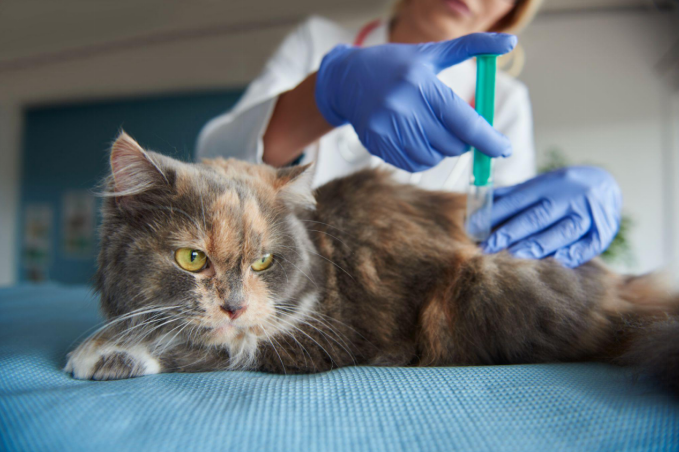
Routine Vaccinations for Pets: A Loving Step Toward Lifelong Health

Pets are more than animals, they are family. Just like humans, they need regular medical care to stay healthy and protected from preventable illnesses. One of the most important aspects of responsible pet ownership is routine vaccinations for pets. Vaccinations play a vital role in keeping pets safe from serious diseases, helping them live longer, happier lives by your side.
Whether you are caring for a playful puppy, a curious kitten, or a senior companion, understanding the importance of vaccinations helps you make informed decisions for their wellbeing.
Why Vaccinations Matter for Pets
Vaccinations protect pets from infectious diseases that can be life-threatening or cause long-term health problems. Many of these diseases spread quickly through contact with other animals, shared spaces, or even contaminated surfaces. Vaccines work by strengthening your pet’s immune system, teaching it how to fight infections before they become dangerous.
Without proper vaccination, pets are at higher risk of illness, discomfort, and complications that could have been easily prevented. Regular vaccines are a simple yet powerful way to safeguard your pet’s health.
How Vaccines Protect Your Pet
Vaccines introduce a harmless form of a virus or bacteria into your pet’s body. This helps the immune system recognise the threat and build protection. If your pet is exposed to the real disease later, their body can respond quickly and effectively.
This protection is especially important for young pets whose immune systems are still developing, as well as older pets who may be more vulnerable to infections.
Core and Non-Core Vaccinations Explained
Vaccinations are generally divided into two categories: core and non-core.
● Core Vaccinations
Core vaccines are essential for all pets, regardless of lifestyle. They protect against diseases that are widespread, severe, and potentially fatal. These vaccines are considered the foundation of preventive care.
● Non-Core Vaccinations
Non-core vaccines are recommended based on your pet’s lifestyle, environment, and exposure risk. Pets that spend time outdoors, interact with other animals, or travel frequently may need additional protection.
Your veterinarian will guide you on which vaccines are best suited for your pet’s individual needs.
Vaccination Schedules for Puppies and Kittens
Young pets require a series of vaccinations to build strong immunity. Puppies and kittens usually begin their vaccinations at a few weeks of age, followed by booster shots over several months.
These early vaccines are crucial, as young pets are more susceptible to infections. Skipping or delaying vaccinations during this stage can leave them unprotected during a critical time in their development.
Adult and Senior Pet Vaccinations
Vaccinations don’t stop once pets grow older. Adult pets need booster shots to maintain immunity, as vaccine protection can weaken over time. Senior pets, in particular, benefit from continued vaccination because aging immune systems may struggle to fight infections.
Regular checkups help determine which vaccines are necessary and how often they should be administered.
Are Vaccinations Safe for Pets?
Yes, vaccinations are very safe when administered by trained professionals. Most pets experience little to no side effects, and any mild reactions, such as slight tiredness or soreness, usually pass quickly.
The benefits of vaccination far outweigh the risks, especially when compared to the serious complications caused by preventable diseases.
Common Myths About Pet Vaccinations
Many pet owners worry that indoor pets don’t need vaccines or that natural immunity is enough. In reality, even indoor pets can be exposed to diseases through visitors, shared environments, or routine outings.
Another common misconception is that vaccines overload the immune system. In truth, vaccines strengthen immunity and help pets stay resilient against illness.
The Role of Vaccination Clinics
A professional vaccination clinic Dubai provides a safe, hygienic environment where pets receive proper care, monitoring, and accurate records. Vaccination visits are also an opportunity to assess your pet’s overall health and address any concerns early.
Having a trusted clinic ensures vaccines are stored, handled, and administered correctly for maximum effectiveness.
Supporting Your Pet After Vaccination
After vaccination, allow your pet to rest and monitor them for any unusual behaviour. Offer comfort, fresh water, and a calm environment. Most pets return to normal within a day.
If you notice anything concerning, contacting your veterinarian promptly ensures peace of mind.
Building a Healthy Future Through Prevention
Preventive care is the foundation of long-term pet health. Along with nutrition, exercise, and regular checkups, routine vaccinations for pets help prevent suffering and reduce the risk of outbreaks that can affect the wider pet community.
Vaccinating your pet is not just an act of care, it’s an act of love and responsibility.
Conclusion
Routine vaccinations are one of the most loving choices you can make for your pet. They provide reliable protection against serious diseases, support long-term wellness, and help pets live healthier, happier lives. By following a proper vaccination schedule and working closely with a trusted veterinary team, you ensure your furry companion is protected at every stage of life. Preventive care, including vaccinations, is an investment in your pet’s future, one that offers peace of mind and countless years of companionship.
For reliable guidance, gentle care, and expert vaccination support, Companion Veterinary Clinic provides trusted preventive healthcare solutions designed to keep pets safe, healthy, and comfortable throughout their lives.