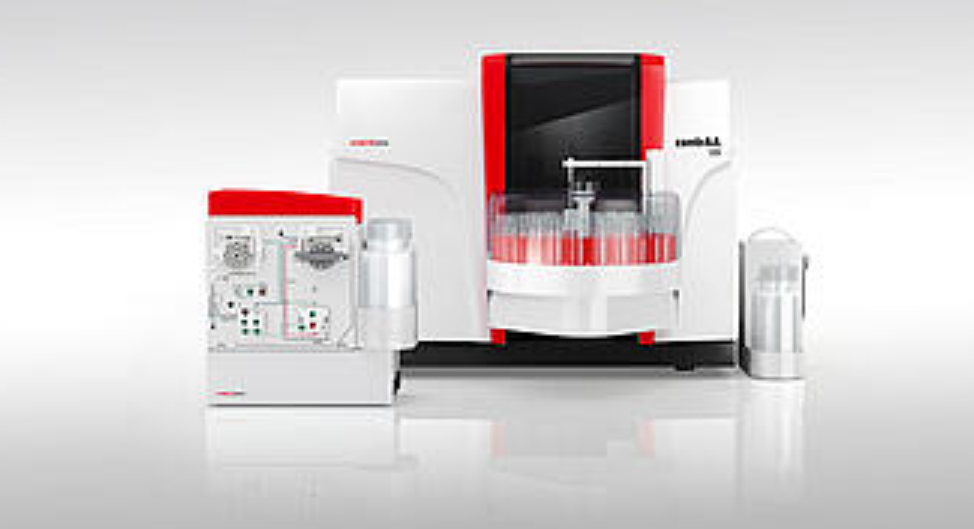
Flame Atomic Absorption Spectrophotometer in Modern Laboratories

Introduction to Flame Atomic Absorption Spectrophotometer
A flame atomic absorption spectrophotometer is an essential analytical instrument used in laboratories to measure the concentration of metal elements in a variety of samples. By employing the principles of atomic absorption, this equipment allows scientists to detect trace metals with high precision.
The importance of a flame atomic absorption spectrophotometer spans multiple industries, including environmental testing, pharmaceuticals, food safety, and chemical research. Accurate measurements of metal concentrations are vital for compliance with safety standards and for reliable scientific research.
Principles of Operation
The flame atomic absorption spectrophotometer operates on the principle that free atoms absorb light at characteristic wavelengths. The sample, typically in liquid form, is atomized in a flame, and a hollow cathode lamp emits light specific to the element of interest. The absorbed light is measured, and its intensity is directly proportional to the element’s concentration in the sample.
This principle allows laboratories to perform highly flame atomic absorption spectrophotometer sensitive and selective analysis of metals such as iron, copper, lead, zinc, and cadmium. Proper calibration and regular maintenance are critical to ensure the accuracy of results.
Applications in Various Industries
Flame atomic absorption spectrophotometers are widely used across different industries. Environmental laboratories utilize them to monitor water, soil, and air for heavy metals and pollutants. This helps maintain environmental safety and comply with regulations.
In the pharmaceutical industry, these instruments ensure that drug formulations meet required safety standards by detecting and quantifying metal impurities. Food testing laboratories employ flame atomic absorption spectrophotometers to detect toxic metals, safeguarding consumer health. Chemical research laboratories rely on them to analyze metal ions and study reaction processes.
See also: Tech Startups: Innovating for the Future
Features to Look for in Equipment
Choosing the right flame atomic absorption spectrophotometer requires careful consideration of several factors. Key features include detection limits, wavelength range, precision, sensitivity, and the ability to perform multi-element analysis.
Modern instruments often include automated sample introduction systems, integrated software for data processing, and high-resolution optics. A robust design and ease of maintenance are essential for laboratories with frequent usage. Selecting equipment from a reputable supplier ensures access to technical support and calibration services.
Maintenance and Calibration
Routine maintenance is necessary to maintain the accuracy and reliability of a flame atomic absorption spectrophotometer. Cleaning optical components, replacing lamps, and updating software are standard practices.
Calibration using standard reference materials is crucial to ensure precise measurements. Suppliers often provide maintenance contracts and technical support, which help laboratories minimize downtime and maintain consistent performance. Proper staff training in operation and preventive maintenance also enhances equipment longevity.
Technological Advancements
Recent advancements in flame atomic absorption spectrophotometer technology have improved sensitivity, throughput, and ease of use. Features such as high-resolution monochromators, optimized flame systems, and automated sample handling allow for more accurate and efficient analysis.
These innovations enable laboratories to detect low-concentration elements with enhanced precision. Automation and advanced software also streamline workflows, reducing human error and improving reproducibility.
Comparison with Other Analytical Techniques
While flame atomic absorption spectrophotometers are ideal for quantifying metal concentrations, they are often used in conjunction with other techniques such as inductively coupled plasma spectroscopy and mass spectrometry.
Each method has specific advantages, and combining techniques provides a more comprehensive understanding of sample composition. Flame atomic absorption spectrophotometers are particularly effective for routine quantitative analysis and monitoring elemental concentrations in diverse sample matrices.
Selecting a Reliable Supplier
Choosing a reputable supplier is critical when purchasing flame atomic absorption spectrophotometer equipment. Factors such as industry experience, customer support, warranty options, and availability of calibration services should be considered.
A trusted supplier ensures proper installation, training, and technical assistance, enabling laboratories to maximize instrument performance. Reliable suppliers also provide maintenance programs and consumable replacement options, which help maintain instrument accuracy and efficiency over time.
Cost and Long-Term Value
Although flame atomic absorption spectrophotometers require a considerable initial investment, evaluating long-term benefits is essential. High-quality instruments reduce operational costs, minimize maintenance issues, and deliver reliable, reproducible results.
Suppliers may offer flexible purchasing options, service contracts, and consumable plans. Considering the total cost of ownership, including energy consumption, maintenance, and calibration, ensures a sound investment for any laboratory seeking dependable analytical equipment.
Sustainability and Laboratory Efficiency
Modern flame atomic absorption spectrophotometers are designed to optimize energy efficiency and reduce environmental impact. Low-consumption lamps, automated sample handling, and efficient flame systems contribute to sustainable laboratory operations.
Energy-efficient instruments not only support environmental responsibility but also enhance laboratory productivity. Reduced waste and optimized processes allow laboratories to conduct more analyses with minimal resource consumption.
Conclusion
A flame atomic absorption spectrophotometer is an indispensable tool for laboratories that require precise and sensitive measurement of metal elements. Understanding its operating principles, applications, and features allows laboratories to choose the most suitable instrument for their analytical needs.
Investing in high-quality flame atomic absorption spectrophotometer equipment from a reputable supplier ensures long-term accuracy, reproducibility, and operational efficiency. With proper maintenance, calibration, and technological upgrades, laboratories can achieve reliable results, optimize workflows, and maintain compliance with industry standards.