Reliable Hand Protection for Safety, Precision, and Durability in Demanding Tasks

In many industries and everyday tasks, protecting hands from sharp tools, abrasive materials, and accidental slips is essential. Cut resistant gloves are specialized protective equipment designed to reduce the risk of cuts, lacerations, and similar injuries during work. These gloves offer a balance of safety, comfort, dexterity, and durability, helping workers maintain productivity while minimizing the likelihood of hand injuries. Whether used in construction, manufacturing, food preparation, glass handling, or automotive assembly, the right hand protection can mean the difference between a minor incident and a serious injury. This guide explores various aspects of hand protection, including materials, design features, use cases, safety standards, maintenance, and selection criteria to help you make informed decisions for your workplace or project.
1. Materials and Construction
High-Performance Fibers
Modern protective hand wear has evolved from basic woven fabrics to advanced engineered fibers that deliver strong resistance to cutting forces without sacrificing comfort. These materials are designed to withstand demanding conditions while remaining lightweight and flexible.
Ultra-High-Molecular-Weight Polyethylene (UHMWPE)
UHMWPE is one of the most commonly used high-performance fibers. It is lightweight yet extremely strong, offering excellent resistance to abrasion and cutting. Knitted constructions using this fiber are often blended with other synthetics to improve elasticity, flexibility, and grip.
Aramid and Metal Blends
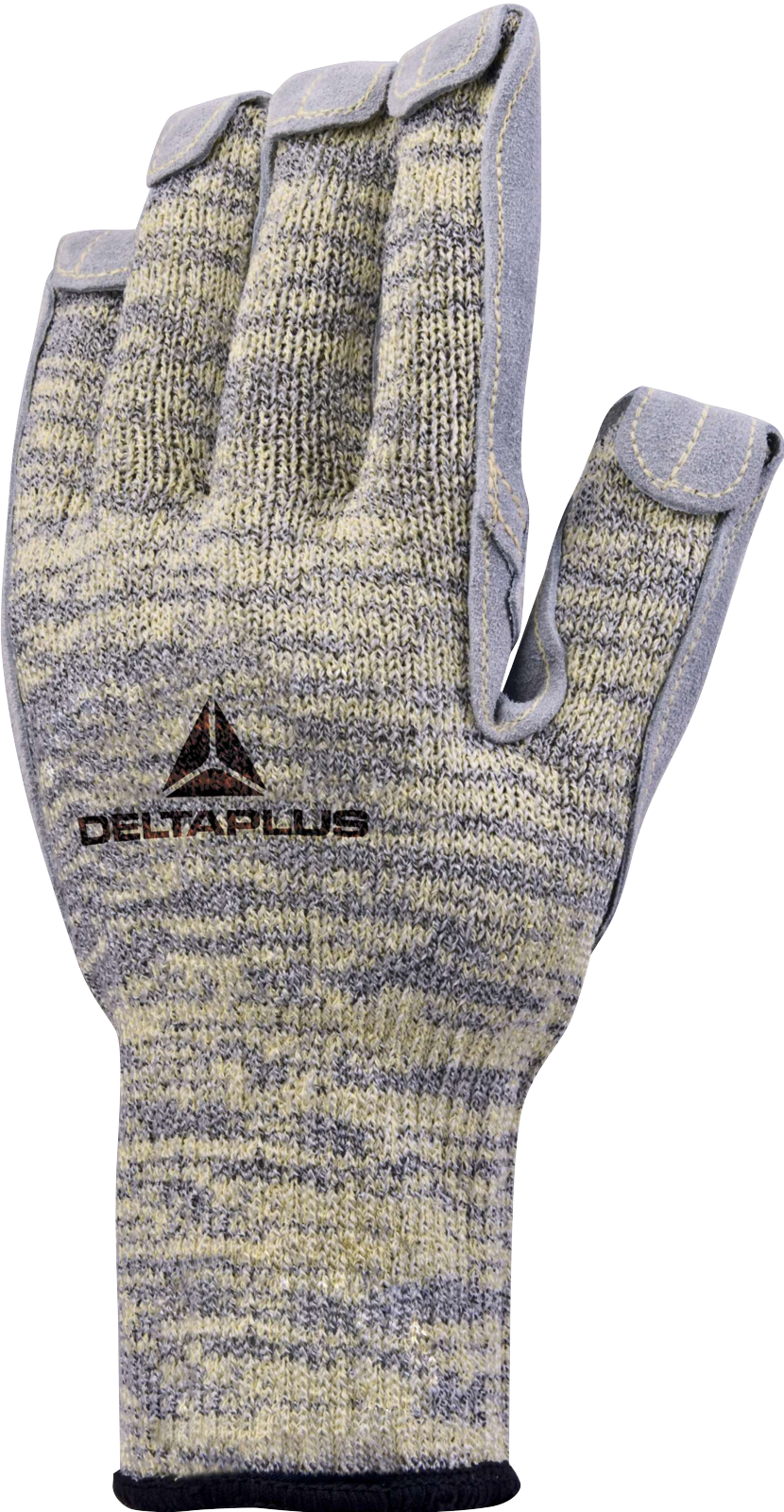
Aramid fibers are valued for their strength and heat resistance, making them suitable for environments where both thermal and mechanical risks exist. In higher-risk applications, stainless steel or blended metal strands may be integrated into the fabric to deliver very high levels of cut resistance, particularly when handling glass or sharp-edged materials.
Construction Techniques and Coatings
The way protective hand wear is constructed significantly affects performance. Seamless knits improve comfort, reinforced palms enhance durability, and surface coatings add functional benefits. Common coatings include latex, nitrile, and polyurethane, each providing different levels of grip, flexibility, and resistance to oils or liquids. Selecting the right combination depends on the specific hazards and duration of use.
2. Design Features for Safety and Performance
Ergonomic Fit and Comfort
Well-designed protective hand wear supports natural hand movement and reduces fatigue. A proper fit is critical, as poorly fitting products can restrict dexterity, cause discomfort, or discourage consistent use.
Breathability and Moisture Control
Breathable knit structures help reduce heat buildup and manage moisture, improving comfort during long working hours. This feature is particularly important in warm environments or physically demanding roles.
Grip and Reinforcement
Textured or coated surfaces enhance grip on wet or oily objects, reducing the risk of dropped tools or materials. Reinforced palms and fingertips improve durability in high-wear areas, making them suitable for repetitive or abrasive tasks.
Impact and Precision Support
Some designs incorporate padded knuckles or finger guards for added protection against impact. For tasks requiring precision, thinner constructions provide tactile sensitivity while still maintaining strong resistance to mechanical hazards.
3. Safety Standards and Ratings
Importance of Compliance
Recognized safety standards ensure that protective hand wear meets established performance requirements. These benchmarks help users compare products objectively and select appropriate protection levels.
EN 388 Standard
Widely used in Europe, this standard evaluates abrasion, cut, tear, and puncture resistance. Each category is rated numerically, with higher values indicating stronger performance. Recent updates may also include impact resistance ratings.
ASTM Standards
In North America, ASTM standards define testing methods for mechanical resistance. Tests such as ASTM F2992 measure the force required for a blade to cut through material, offering a precise assessment of cut resistance.
Selecting the Right Rating
Understanding these ratings helps match protection levels to actual workplace hazards. Choosing the highest rating is not always necessary; instead, the focus should be on suitability for specific tasks and conditions.
4. Typical Use Cases and Industry Applications
Construction and Metal Fabrication
These environments involve frequent contact with sharp edges, tools, and metal components. Durable protective hand wear helps reduce injury risks caused by slips or rough surfaces.
Manufacturing and Assembly
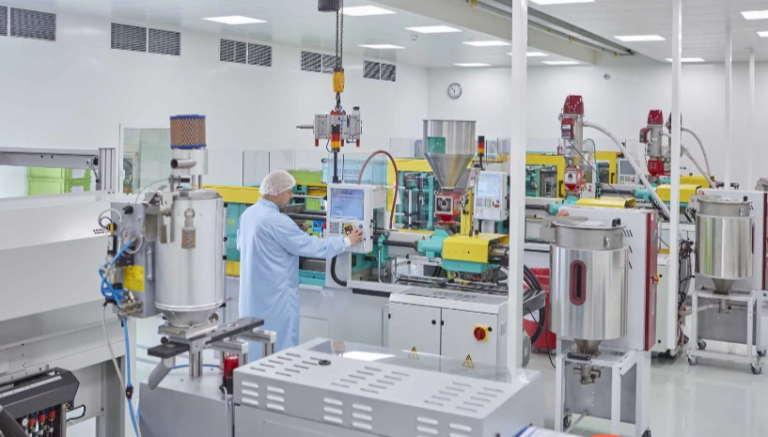
Industries handling sheet metal, glass, or mechanical parts require a balance between resistance and dexterity. Workers must maintain precision while staying protected under repetitive or fast-paced conditions.
Food Processing
In this sector, protection must combine mechanical resistance with hygiene compliance. Lightweight, easy-to-clean options support safe handling of knives and sharp tools while meeting food safety requirements.
Automotive and Maintenance Work
Handling sharp parts and oily surfaces is common in automotive environments. Protective hand wear with strong grip and resistance helps technicians work safely and efficiently.
General and Non-Industrial Use
Landscaping, recycling, glass installation, and home improvement tasks also benefit from proper hand protection. Understanding task-specific hazards ensures consistent and appropriate use.
5. Selection Criteria for Choosing Protective Hand Wear
Hazard Assessment
Start by identifying workplace risks such as sharp edges, puncture hazards, heat exposure, or chemicals. This assessment determines the level and type of protection required.
Fit and Dexterity
Correct sizing ensures comfort and control. Tight fits can restrict movement, while loose fits reduce precision. Sampling different sizes can help find the best option for varied users.
Grip and Task Requirements
Surface conditions play a major role in selection. Wet or oily environments may require enhanced grip coatings, while dry tasks may prioritize flexibility and breathability.
Cost and Durability
Evaluating long-term value is essential. Durable products with longer service life may reduce replacement frequency and overall costs, even if initial pricing is higher.
6. Care, Maintenance, and Lifespan
Regular Inspection
Routine checks for wear, tears, or coating damage are necessary to maintain protection. Any compromised product should be replaced immediately.
Cleaning and Storage
Follow manufacturer guidelines for washing and drying to avoid material degradation. Proper storage away from sunlight, heat, and chemicals helps extend usability.
Training and Awareness
Educating workers on proper use, inspection, and care encourages accountability and consistent protection. Regular maintenance practices ensure that protective hand wear continues to perform as intended over time.
Conclusion
Selecting the appropriate cut resistant gloves plays a crucial role in safeguarding hands against serious injuries while maintaining comfort and productivity. By understanding materials, design features, safety standards, industry applications, and maintenance practices, you are better equipped to make informed decisions that protect your workforce and support operational efficiency. Whether you operate in construction, manufacturing, food processing, or general maintenance, investing in the right protective hand wear helps create safer work environments, reduces downtime, and builds confidence when handling demanding tasks.
Delta Plus is a well-established provider of personal protective equipment, offering a comprehensive range of safety products designed to protect workers across diverse industries. They focus on quality, compliance with international safety standards, and responsive customer support to help businesses and individuals identify suitable protective solutions. Through an extensive distribution network and a strong commitment to innovation, they strive to deliver dependable safety equipment along with reliable service and accessibility.